Cessna 172RG Rear RH Baffle Assembly
Cessna 172RG Rear RH Baffle Assembly
Blog Article
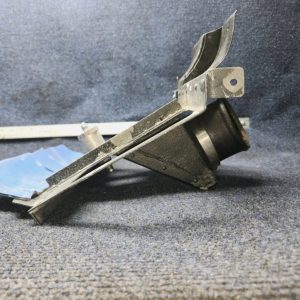
The Cessna 172RG Rear RH Baffle Assembly
The Cessna 172RG Rear Right-Hand Baffle can support airflow management, while the Cessna 172RG Engine Baffle and Cessna 172RG Cooling Baffle descriptions should not imply universal interchangeability.
The Cessna Cutlass Engine Baffle and Aircraft Engine Baffle Assembly keywords help qualified buyers locate relevant replacement parts.
Clear descriptions of Cessna 172RG Engine Compartment Parts help maintenance professionals estimate the full scope of the repair.
The Cessna Aircraft Engine Baffle, Engine Cooling Baffle Assembly, Cessna Cutlass Cooling System Part, and Cessna 172RG Replacement Baffle terms represent related maintenance and commercial searches.
Identifying the Cessna 172RG Rear RH Baffle
Complete part-number verification reduces incorrect purchasing and unnecessary installation work.
Strong traceability improves the commercial and maintenance value of the Cessna 172RG Rear RH Baffle Assembly.
Purpose of the Rear RH Engine Baffle
The rear right-hand baffle helps guide cooling air through intended paths around the engine installation rather than allowing it to escape through uncontrolled gaps.
Complete evaluation helps maintenance personnel address the underlying cooling concern.
Choosing the Correct Cessna Engine Baffle
The offered assembly should be compared with the removed component, mounting points, adjacent baffles, cowling, and technical illustrations.
The engine model and installed accessories can influence clearances, brackets, hoses, wiring routes, and the shape of surrounding cooling components.
Understanding Formed Aluminum Cooling Panels
An Aircraft Engine Baffle Assembly may include formed sheet material, flanges, stiffening bends, brackets, attachment holes, seal-retaining features, and related hardware.
Unauthorized bending, hammering, heating, grinding, drilling, or trimming can damage the assembly and affect its relationship with adjacent components.
Assessing a Used Cessna Baffle
Areas near fasteners and vibration-prone attachment points deserve particular attention.
The assembly should be checked for evidence of engine vibration, cowling contact, exhaust heat, fluid contamination, impact, improper removal, and unsuitable storage.
Maintaining an Effective Cooling Boundary
Torn, hardened, curled, shortened, oil-soaked, missing, or incorrectly oriented seals can reduce the effectiveness of the cooling system.
Careful seal fitting supports more consistent cooling-air control.
Engine Compartment Contamination Concerns
Corrosion inspection should address exposed surfaces, overlapping joints, fastener areas, lower edges, brackets, and locations where moisture or contaminants can collect.
Storage components should remain dry, clean, supported, and protected from unsuitable wrapping that traps moisture.
Maintaining Secure Baffle Connections
Detailed attachment-point inspection supports accurate repair planning.
Old hardware should not be reused automatically because it fits the existing holes.
Planning a Complete Baffle Repair
A missing bracket, damaged seal, or distorted neighboring panel can delay installation even when the primary baffle is available.
Damage can vary across components exposed to the same vibration, heat, accident, or storage environment.
Diagnosing Cessna 172RG Cooling Concerns
Missing seals, open gaps, loose cowling, or incorrectly installed neighboring components can affect airflow distribution.
Cleaning or replacing one baffle should not be presented as a guaranteed cooling improvement.
Sheet-Metal Cooling Component Restoration
The decision to repair or replace a damaged baffle depends on crack location, corrosion, deformation, missing material, hole condition, previous repairs, and available technical data.
Repairs should preserve the intended contour, mounting locations, clearances, seal attachment, and airflow boundary.
Buying P/N 2455038-2
Components with clear donor-aircraft information, current photographs, and transparent condition descriptions are easier for professional buyers to evaluate.
The listing should state whether the component is new, used, repaired, inspected, untested, serviceable, or offered here for parts.
Aircraft Engine Baffle Pre-Purchase Guide
A detailed review reduces unsuitable purchases and unexpected repair costs.
- Determine whether seal material, retainers, fasteners, clips, brackets, records, or release documents are included.
- Do not treat clean paint, straight appearance, or donor-aircraft history as proof of current serviceability.
- Retain purchase records, photographs, measurements, traceability information, inspection findings, repair data, and shipping documents with the project file.
Protecting Cessna Engine Baffles in Transit
Padding should prevent direct contact with hard surfaces without trapping damaging moisture.
Heavy objects should never be stacked on the baffle.
Professional Engine Baffle Installation
Any mismatch should be investigated rather than corrected through uncontrolled force or modification.
Fastener holes should be inspected carefully, while hardware type, grip, spacing, and installation method should correspond with suitable technical data.
P/N 2455038-2.
Protecting Aircraft Cooling Components
Cleaning should preserve evidence long enough for maintenance findings to be documented.
Seal material should remain flexible, correctly oriented, securely attached, and positioned against the intended cowling surfaces.
P/N 2455038-2
The Cessna 172RG Rear RH Baffle Assembly
The strongest purchasing decision begins with confirming the complete part number, donor-aircraft details, aircraft serial applicability, engine configuration, right-hand position, dimensions, mounting geometry, seal condition, repair history, included hardware, and documentation.
Whether maintenance teams are sourcing an Engine Cooling Baffle Assembly, Cessna Cutlass Cooling System Part, or Cessna 172RG Replacement Baffle, qualified installation should precede operational use.
With complete evaluation and continued care, the Cessna 172RG Rear RH Baffle Assembly
Report this page